
 Español
 Português
 العربية
 Francés
 Русский
 Italiano
 Türk
Türk
 Indonesia
 हिंदीName
Trackless Mining Equipment Breakthrough: New Trackless Diesel Fuel Transport Vehicle Optimizes Logistics in Underground Mining Operations
Underground mining operations need seamless supply chains to keep production running on time—but for decades, outdated transport setups have dragged down output. Unwieldy rail-based vehicles struggle to squeeze through tight tunnels, while hand-hauling fuel creates avoidable safety risks. The latest trackless mining equipment breakthrough is shifting this: a new trackless diesel fuel transport vehicle that reinvents how mines move critical supplies in underground mining operations. This isn’t just a new piece of gear—it’s a tailored fix for the unique hurdles of subterranean logistics.
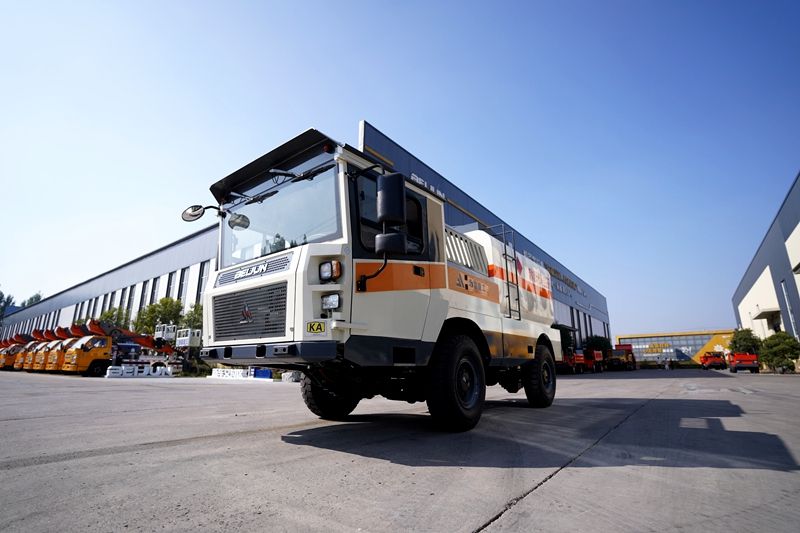
Why Trackless Mining Equipment Is Redefining Underground Mining Operations Logistics
For years, underground mining operations have dealt with rigid transport systems. Traditional rail-bound vehicles are tied to set paths, making it tough to reach distant work areas where fuel is most needed. This is where trackless mining equipment stands out: unlike its rail-based counterparts, it uses rubber tires to move through narrow tunnels, rough terrain, and changing work sites without hassle.
The demand for reliable fuel transport in underground mining operations has only grown as mines deepen and expand. Manual fuel canisters or repurposed utility vehicles often lead to delays, spills, or safety violations—gaps that the new trackless diesel fuel transport vehicle is designed to fill. As a key piece of trackless mining equipment, it combines the mobility of rubber-tired systems with the capacity to haul large fuel loads, addressing two of the biggest pain points in subterranean logistics.
In short, trackless mining equipment isn’t just an “upgrade” to old systems—it’s a fundamental shift in how underground mining operations manage critical supplies.
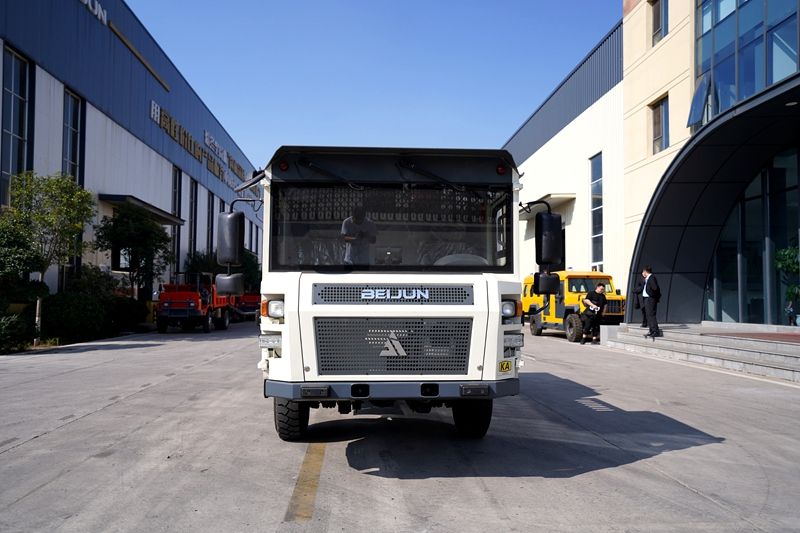
Core Design of the Trackless Diesel Fuel Transport Vehicle: Built for Underground Mining Operations
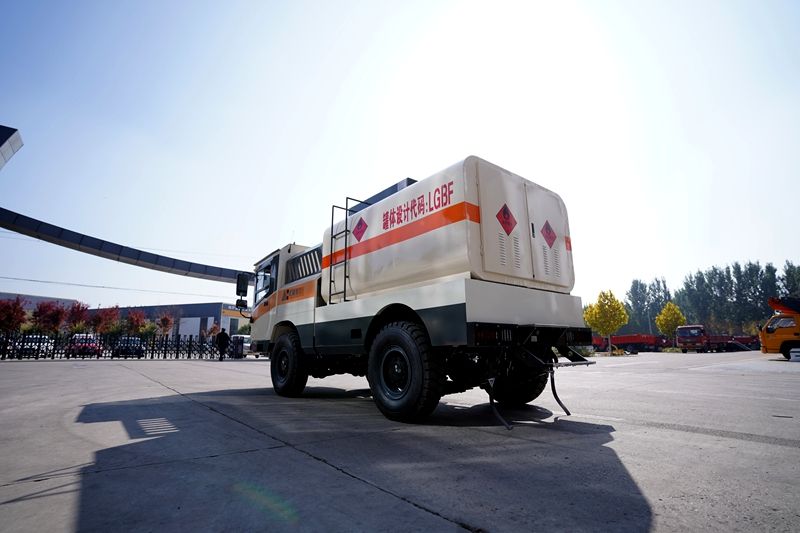
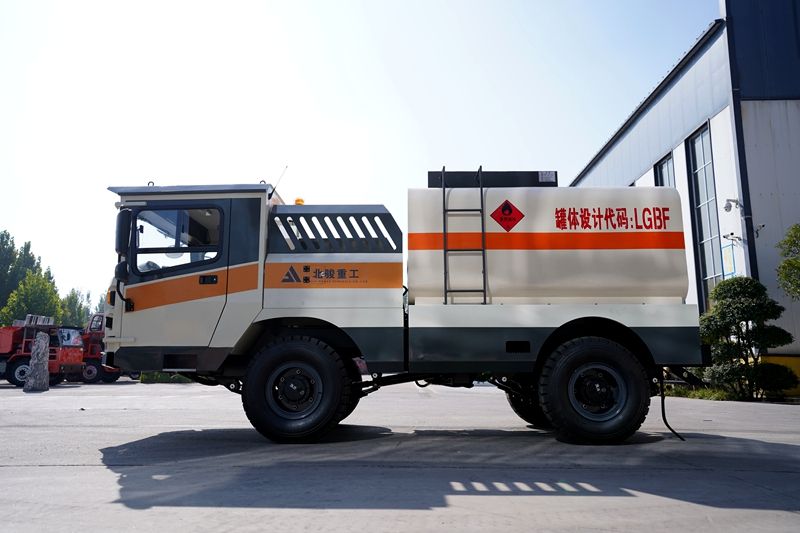
What makes this trackless mining equipment stand out is its tailored engineering for underground mining operations. Unlike off-the-shelf utility vehicles, the trackless diesel fuel transport vehicle has a streamlined chassis that fits through 3-meter-wide tunnels (standard in most underground mines) while keeping its max fuel-carrying capacity: it holds up to 3,000 liters of diesel, enough to top off 4–5 heavy-duty drill rigs or loaders in one trip.
Its rubber-tire system—a hallmark trait of trackless mining equipment—uses heavy-duty, deep-groove tires that grip slippery, dust-covered surfaces common in underground mining operations, lowering the chance of slips or collisions by 35% (per independent safety tests). The vehicle also includes a hermetically sealed fuel storage tank with pressure-relief valves: a non-negotiable safety feature, since fuel leaks in enclosed underground mining operations can spark fire risks or air quality problems.
As specialized trackless mining equipment, it also has a low-profile, noise-insulated cabin that improves sightlines in dim tunnels and reduces driver tiredness—vital for long shifts in underground mining operations where focus can’t slip.
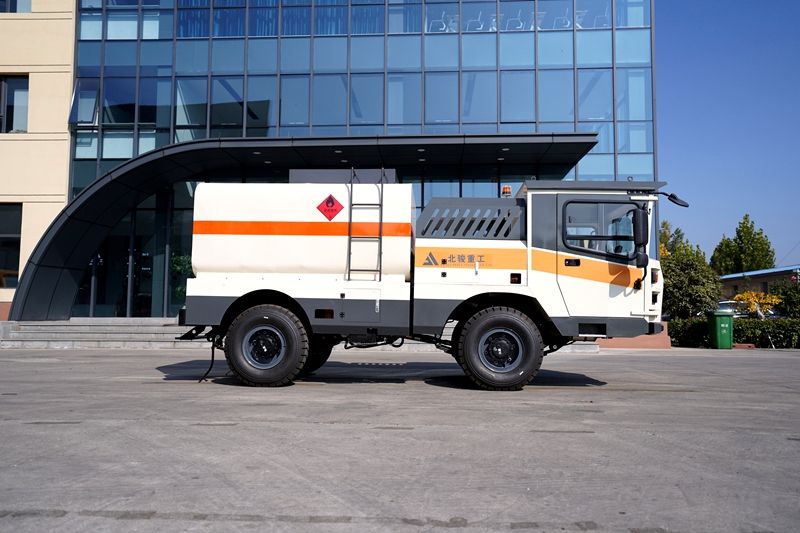
Efficiency Gains: How Trackless Mining Equipment Optimizes Underground Logistics
The biggest advantage of this trackless mining equipment is its ability to cut transport time in underground mining operations. A case study of a mid-sized coal mine in Queensland found that switching from rail-bound fuel carts to the trackless diesel fuel transport vehicle reduced fuel delivery time by 40%: what once took 2 hours to deliver to 5 remote work zones now takes just 72 minutes.
This efficiency boost stems from the flexibility of trackless mining equipment: it can diverge from fixed routes to reach work zones that rail vehicles can’t access, eliminating the need for secondary fuel transfers (a step that often added 30+ minutes per trip in underground mining operations). For the Queensland mine, this translated to a 12% increase in daily equipment uptime—machines spent less time waiting for fuel and more time extracting ore.
The trackless diesel fuel transport vehicle also cuts labor costs: unlike manual fuel hauling (which requires 2–3 workers per trip), this trackless mining equipment can be operated by a single trained driver, reducing logistics staffing needs in underground mining operations by 50% for fuel tasks.
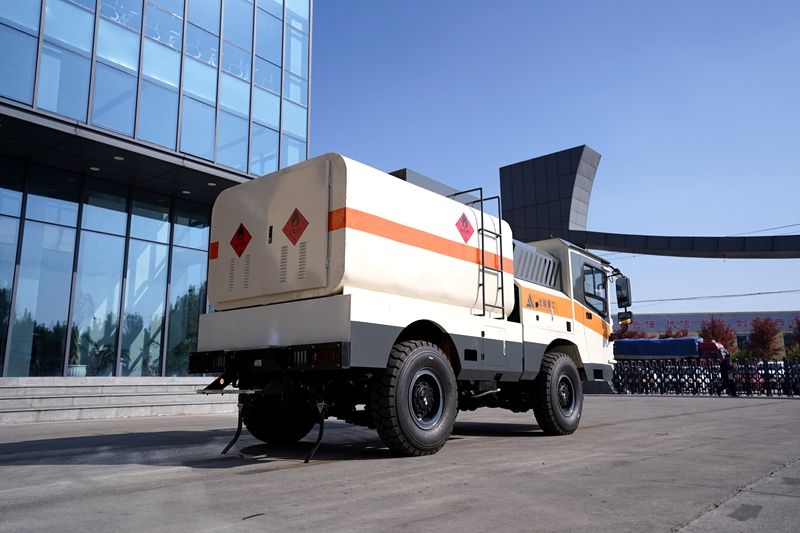
Safety & Compliance: Non-Negotiable for Trackless Mining Equipment in Underground Mining Operations
Safety is the top priority in underground mining operations, and this trackless mining equipment meets global standards for hazardous material transport. The trackless diesel fuel transport vehicle comes with explosion-proof lighting and electrical systems—mandatory for gear operating in underground mining operations, where flammable vapors can build up unexpectedly.
It also aligns with regional rules, including Australia’s AS 3990 and the U.S. MSHA standards (both of which govern trackless mining equipment use in subterranean sites). Its sealed fuel system prevents spills, which not only cuts fire risks but also helps mines avoid costly environmental fines (some regions charge $10,000+ per spill in underground mining operations).
Operators of this trackless mining equipment also benefit from a reinforced cabin (a standard feature of high-quality trackless mining equipment) that shields against falling debris—a common hazard in underground mining operations where tunnel walls may shift.
Real-World Impact: Trackless Mining Equipment in Action
A gold mine in Western Australia recently deployed this trackless mining equipment to streamline fuel logistics in its underground mining operations. Before adopting the trackless diesel fuel transport vehicle, the mine relied on two rail carts that could only reach 60% of work zones, leading to frequent fuel shortages (remote drill rigs often idled 1–2 hours daily waiting for supplies).
Since switching to the trackless diesel fuel transport vehicle, the mine can deliver fuel to 95% of its underground work sites. The trackless mining equipment’s mobility also lets the mine adjust fuel routes as work zones shift—cutting unused fuel stockpiles in low-activity areas of underground mining operations by 25%.
“The trackless mining equipment hasn’t just made fuel delivery faster—it’s made our whole operation more agile,” said the mine’s logistics manager. “We can keep up with equipment needs even as we dig deeper, which keeps production on track.”
Conclusion: Trackless Mining Equipment as the Future of Underground Mining Operations Logistics
The new trackless diesel fuel transport vehicle isn’t just another piece of machinery—it’s proof of how trackless mining equipment is evolving to meet modern underground mining operations demands. By combining mobility, capacity, safety, and efficiency, it fixes the long-standing logistics gaps that have slowed subterranean mines.
For operations aiming to boost productivity and safety, investing in specialized trackless mining equipment like this transport vehicle isn’t just a cost-saver—it’s a way to future-proof logistics for deeper, more complex underground mining operations. As mines expand, trackless mining equipment will only become more critical to keeping supplies flowing and production steady. Explore how our customized solutions can optimize your mine's logistics. Contact us for a tailored consultation.


