
 Español
 Português
 العربية
 Francés
 Русский
 Italiano
 Türk
Türk
 Indonesia
 हिंदीName
Electric Mining Trucks & Loaders: How They Work, Charging Hacks & Industry Lowdown
The global mining industry’s scrambling to hit net-zero emission targets—thanks to rules like the EU’s Carbon Border Adjustment Mechanism and Australia’s 2050 Net Zero Plan. That’s why electric mining trucks and loaders have blown up as game-changing picks: they cut carbon footprints and operational costs way more than old diesel gear. Unlike clunky diesel machines, these battery-powered rigs (BEVs) pump out zero on-site fumes, run quieter, and use energy way more efficiently—huge wins for both underground and open-pit mines.
If you’re an international B2B buyer sizing up these electric rigs, you need to know how they actually work on-site and what charging setup you’ll need to keep them running. The International Energy Agency (IEA)’s 2026 report says the global electric mining equipment market will grow 28.7% every year until 2030, hitting $19.3 billion. Why? Diesel prices are up 42% since 2022, and environmental rules are getting way tighter. This piece breaks down how these electric mining trucks and loaders operate, the charging tech you’ll need, market trends, and the practical stuff you need to know before buying.
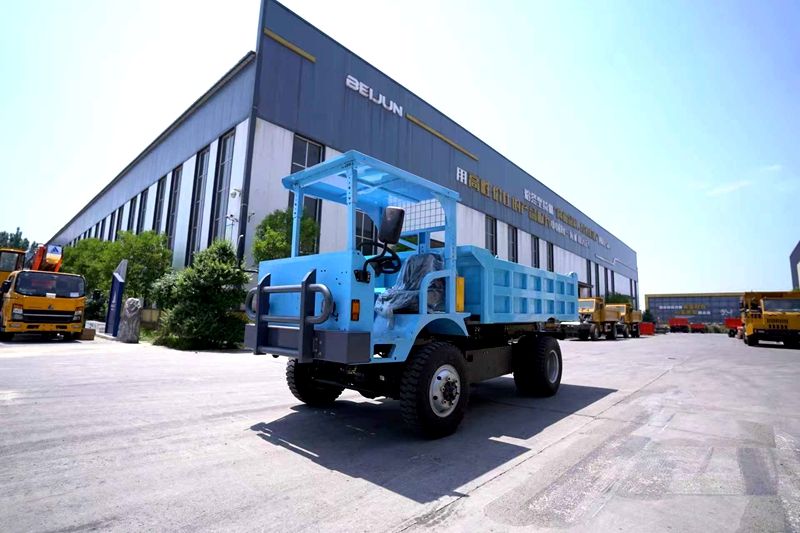
Why Mining’s Ditching Diesel for Electric Rigs
Mining’s responsible for about 7% of the world’s greenhouse gas emissions—and 60% of that on-site pollution comes from diesel haul trucks and loaders. That’s why governments and big mining companies are rushing to swap in electric mining trucks and loaders:
What’s Pushing the Switch?
Policy Rules: The EU’s 2035 ban on new gas/diesel cars now covers off-road gear too—including mining equipment. Canada and Brazil are right behind them, saying 30% of mining fleets have to be electric by 2030.
Cost Cuts: Electric mining trucks slash fuel bills by 70% and maintenance costs by 40% compared to diesel (per McKinsey’s 2025 Mining Equipment Report). For example, a 50-ton electric truck running 2,000 hours a year saves $85,000 a year on fuel and fixes.
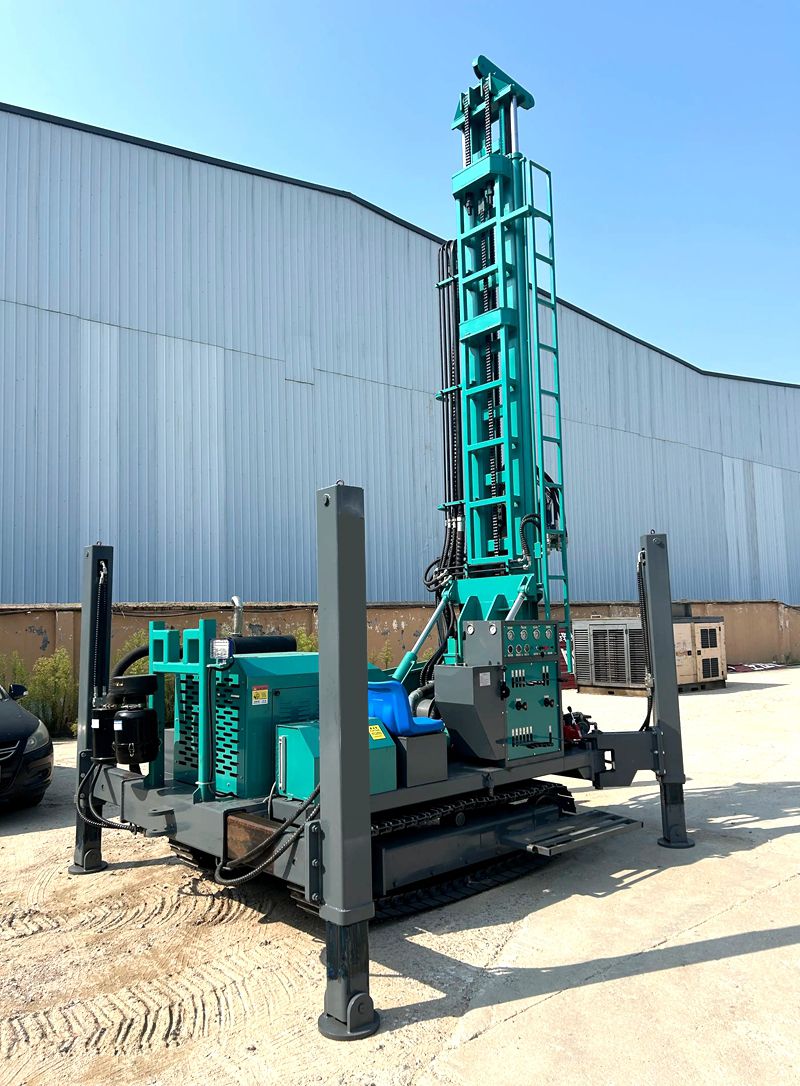
Electric’s Big Wins Over Diesel
No Fumes: Huge for underground mines, where diesel fumes make workers sick and need expensive ventilation. Electric mining loaders cut out that toxic exhaust, so you save 35% on ventilation costs.
Quieter Runs: Electric mining trucks hum at 75 dB(A) (diesel ones roar at 95 dB(A)), so workers can talk easier—and you don’t bug nearby neighborhoods (key for mines near towns, like in Scandinavia).
Instant Power: Electric motors give 100% of their power even at slow speeds, so they handle steep, bumpy mining terrain (like 15° slopes in Chile’s copper mines) way better.
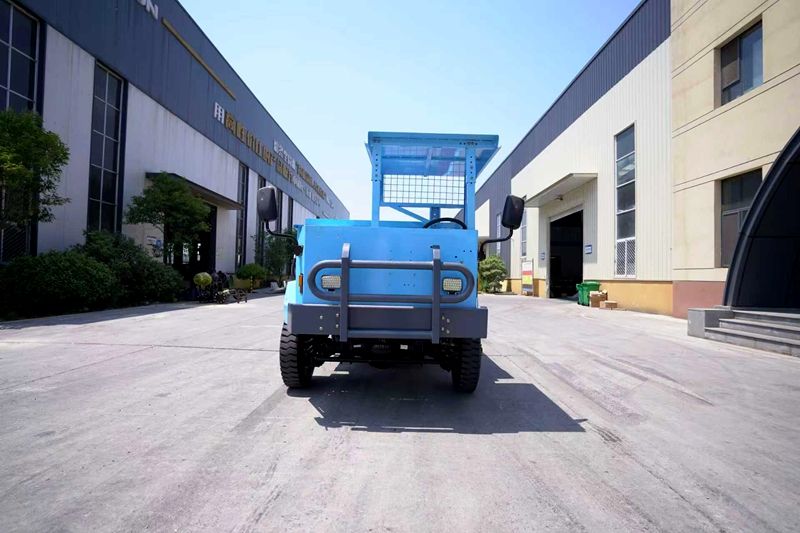
How Electric Mining Trucks & Loaders Work On-Site
Electric mining trucks and loaders are built for mining’s weird, tough demands: bumpy off-road ground, heavy loads, and long shifts. How they run changes a bit by mine type, but they all share some core moves:
Open-Pit Mine Daily Grind
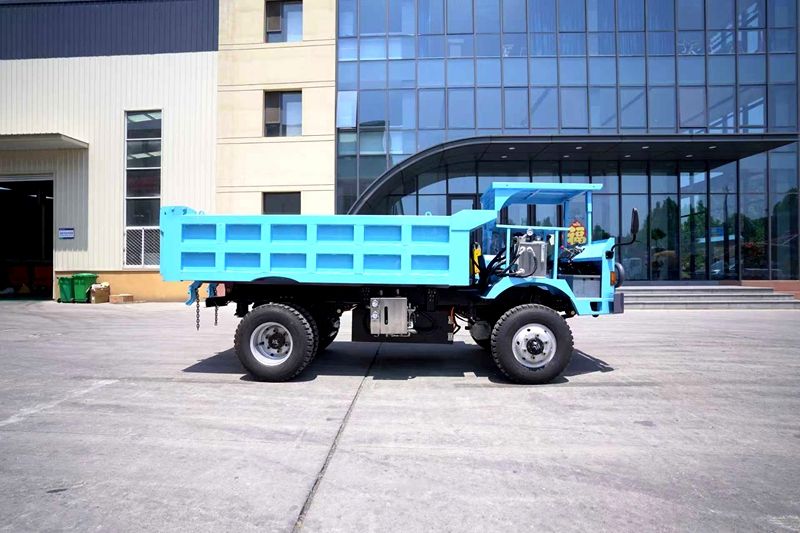
The Routine: A 60-ton electric mining truck starts with a quick battery check on the digital dash (it tracks charge level and cell temp). It rumbles over unpaved haul roads (usually covered in 20cm gravel) to the loading spot, where a 5-ton electric mining loader fills its bed with ore. Bonus: When the loader drives downhill to load, its regenerative brakes top up the battery by 5-8%.
More Done, Less Fuss: Electric mining trucks keep chugging at 35 km/h even when fully loaded—diesel ones slow down 15% on hills. Rio Tinto’s Pilbara Mine in Australia found electric trucks cranked out 12% more daily runs than diesel ones.
Safer Rides: They’ve got collision avoidance (using LiDAR and radar) and sit low (batteries are under the floor), so rollover risk drops 40%—huge for open-pit mines with lumpy ground.
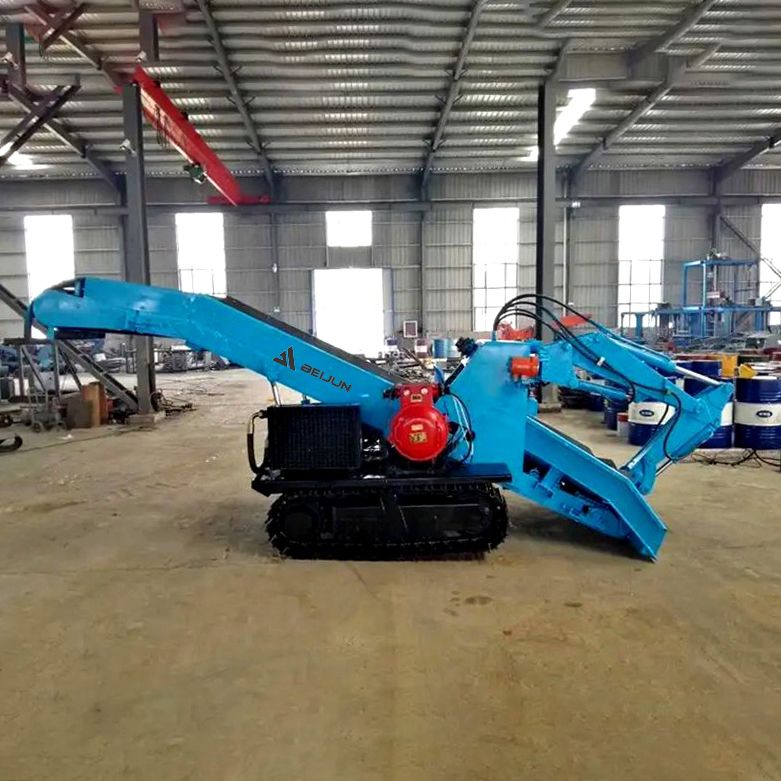
Underground Mine Operations
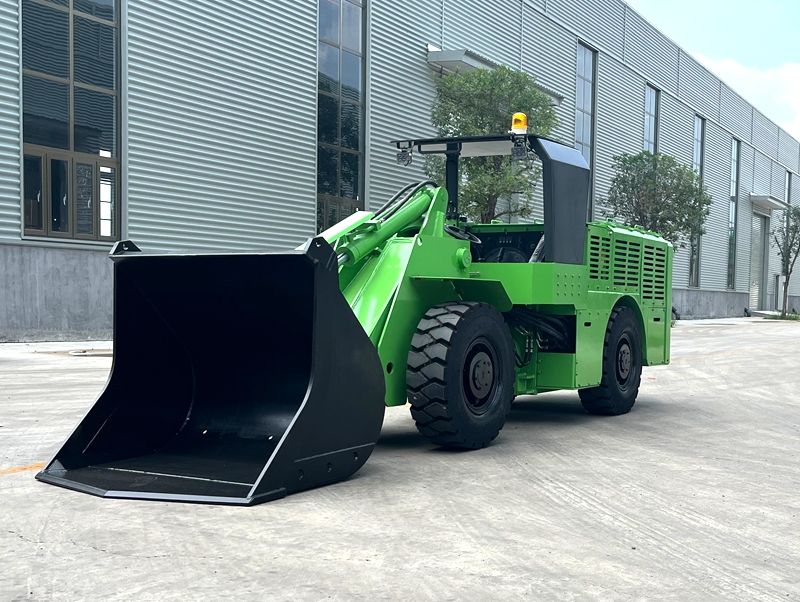
Narrow-Tunnel Fit: Underground electric mining loaders (like 3-ton super-slim models) are ultra-compact in design—only 1.8m wide and 2.0m tall, so they slide seamlessly into 2.5m-wide tunnels. They trade wheels for rubber crawler tracks, which have much better grip on the damp, slippery tunnel floors.
Ditch Fuel Break Wait Times: Diesel loaders have to stop for 30 minutes to refuel, but electric loaders can run nonstop for 8 to 10 hours on one charge—ideal for 24/7 underground work. Plus, when they drive downhill in tunnels, the regenerative brakes top up the battery by 12%.
Huge Eco & Cost Savings: At Vale’s Sudbury Nickel Mine in Canada, switching to electric mining loaders cut underground CO₂ emissions by 92% and trimmed ventilation energy costs by 40%—that’s $2.3 million in annual savings right there.
The Bits That Make Them Tick
Battery Packs: Most of these rigs are powered by lithium-iron phosphate (LFP) batteries—180 to 400 kWh for trucks, 80 to 150 kWh for loaders. They’re encased in IP67-certified waterproof, dustproof casings, so mining dirt and mud won’t compromise their performance.
Motor Power: Permanent magnet synchronous motors deliver 300 to 800 kW of output, enabling trucks to carry 40 to 150 tons of ore. These motors are built right into the axle, so the weight’s distributed way better.
Smart Power: AI systems tweak how energy’s used—cutting 10% when the rig’s idling, and sending extra juice to the wheels when hauling heavy loads.
Charging Tech for Electric Mining Gear (No Grid? No Problem)
Charging setup is make-or-break for buyers—mines are often remote and off-grid, so you need solutions that fit that vibe. Here’s the main charging technologies for electric mining equipment you’ll see:
On-Site Charging Picks
Quick On-Site Charging: Most mine sites use DC fast chargers (150 to 350 kW, compatible with CCS or CHAdeMO ports). A 200 kWh electric mining loader can reach 80% charge from 20% in 1.5 hours, while a 400 kWh truck takes 3 hours—ideal for recharging during shift breaks.
Overnight Low-Power Charging: Reserve 22–44 kW AC chargers for overnight charging—they fully power a truck in 8 to 12 hours. They’re cost-effective if your mine has steady grid power (like those in Europe) and isn’t a 24/7 operation.
Battery Swap Stations: Absolute game-changer if your mine runs 24/7—replace a depleted battery with a fully charged one in 5–8 minutes. Chinese manufacturer BYD installed 12 swap stations at Australian iron ore mines, and downtime was reduced by 90%.
Off-Grid Charging Hacks
Solar Charging: Remote mines (like in Africa or Australia) use 500-1000 kW solar panels paired with battery storage. At Kenya’s Kakamega Gold Mine, solar chargers cover 60% of electric mining truck charging—so they use 75% less diesel for generators.
Mobile Charging Trucks: For temporary mines, 200 kW chargers mounted on trucks come to you. They run on diesel generators (hybrid) or renewable energy, so they’re flexible for short-term jobs.
Charging Safety & Toughness
Weather-Proof: Chargers work from -20°C to 55°C, and their dustproof cases handle mining dust storms like a champ.
Safety First: They’ve got overcharge/overheat protection, ground fault checks, and emergency stops to avoid accidents. Charging cables are braided with steel, so they don’t wear out from scraping.
Smart Scheduling: Cloud systems charge when energy’s cheapest (saving 25% on bills) and watch chargers remotely—if something breaks, the maintenance team gets an alert right away.
What’s Next for Electric Mining Gear?
The electric mining equipment space is changing fast—here are the trends you need to watch as a buyer:
Self-Driving Electric Haulers
Autonomous electric mining trucks (like Komatsu’s Autonomous Haulage System) are now being deployed more widely—they’re zero-emission and can run 24/7. They use GPS and AI to navigate haul roads, reducing human error and boosting efficiency by 20%.
Better Batteries On the Way
Solid-state batteries should hit the market by 2028—they hold 50% more energy (so range goes up 40%) and charge from 0-80% in 45 minutes. Brands like CATL are teaming up with mining companies to test these.
Battery Recycling (It’s Mandatory Now)
Mining equipment makers now have to take back used LFP batteries to recycle lithium, iron, and phosphate. This cuts lifecycle costs by 15% and checks the box on ESG goals (big for investors now).
FAQ: Your Electric Mining Gear Questions Answered
Q1: What’s the range of an electric mining truck/loader on a single charge?
A1: For electric mining trucks (40–150 ton capacity), they offer a range of 80–150 km per charge; 3–10 ton loaders have a 60–100 km range. Keep in mind: a full load reduces range by 10%, and 10° slopes drop it by 20%. Large 400 kWh+ batteries can push a truck’s range to 200 km for flat open-pit mines.
Q2: Do electric mining rigs work in extreme temperatures (like -30°C or 50°C)?
A2: Absolutely—modern electric mining trucks and loaders have battery thermal management systems that keep cell temps between 10°C and 40°C. Cold regions (like Canada or Russia) come equipped with heated battery packs and pre-warmed cabins; hot areas (such as Africa) use liquid cooling to prevent overheating.
Q3: Is electric mining equipment cheaper than diesel long-term?
A3: Electric models have a 20–30% higher initial cost, but over 5 years, they’re far more economical when you factor in total cost of ownership (TCO): 70% less on fuel, 40% lower maintenance (thanks to fewer moving parts), plus tax breaks (like the EU’s 15% credit for electric gear). A 50-ton electric mining truck saves $350,000 over 5 years versus a diesel model.
Q4: What charging setup do I need for 10 electric mining trucks?
A4: If you’ve got 10 400 kWh trucks running 2 shifts a day: Opt for 4 x 350 kW fast chargers (for shift breaks) and 6 x 22 kW AC chargers (for overnight). For off-grid mines, you’ll need a 1 MW solar array plus 2 MWh battery storage, or 2 mobile charging trucks. Most suppliers will make a custom setup for your site.
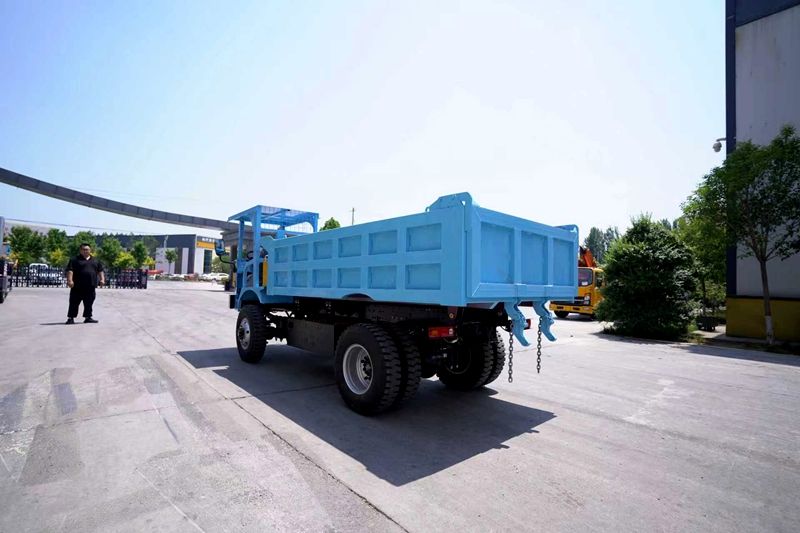
Ready to Switch to Electric Mining Gear?
Our electric mining trucks and loaders check all the boxes for global buyers:
LFP batteries backed by an 8-year/10,000-hour warranty
Custom charging setups (fast charge, swap stations, solar hookups)
Meets global standards (IEC, ATEX, MSHA—so it’s legal wherever you mine)
On-site training for your operators and maintenance crew
Take the next step to cut your mine’s emissions (and costs):
Ask for a tailored energy audit to pick the right electric mining equipment and charging setup for your site.
Book a virtual demo to see our electric trucks/loaders running at real mines.
Use our free TCO calculator to calculate how much you’ll save when switching from diesel to electric.
Going electric with mining gear isn’t just about meeting sustainability targets—it helps you differentiate yourself in markets that want low-carbon minerals. You’ll cut costs and stay ahead of the latest industry innovations.


